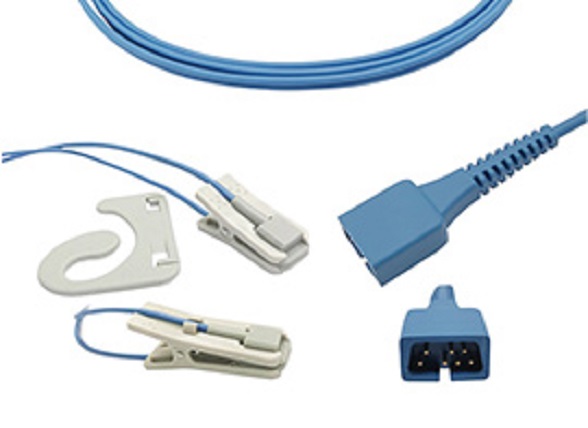
How to Use Infant SpO₂ Probe
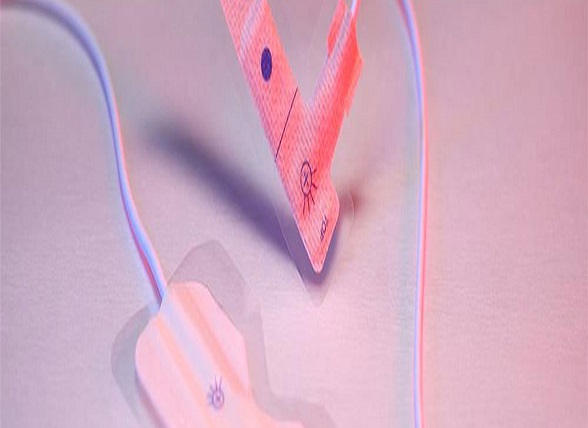
The Importance of Neonatal Oxygen Saturation Monitoring
Oxygen saturation is one of the important physical indicators of the human body. It is very necessary to use a handheld infant SpO₂ monitor to monitor newborns, and it is also commonly used for critically ill newborns, such as those with respiratory system diseases, lung obstruction, thrombus system diseases, and to monitor the vital signs of newborns after surgery. This prevents critical conditions in newborns caused by hypoxia. The measurement goal of pulse oximetry is the oxygen content in the blood. If the blood oxygen level of a newborn is low, it is highly likely that the infant has congenital heart defects.
An oximeter is a medical instrument that measures the concentration of oxygen in the blood. This type of instrument is typically used to monitor the respiratory system function of patients and can also be used to monitor heart function.
Can SpO₂ Monitor Be Used for Infants?
When considering testing for infants, you might be concerned. However, using an oximeter on an infant is safe because pulse oximetry is a non-invasive, painless, and needle-free method that does not involve radiation.
Introduction to Infant SpO₂ Monitor
An infant SpO₂ monitor is a critical tool for determining the oxygen needs of newborns, especially those with congenital heart disease and respiratory abnormalities. The way an infant SpO₂ monitor works is similar to an adult oximeter, but a pediatric device is designed to fit the smaller fingers of infants. In infants and toddlers, a handheld infant SpO₂ monitor is used, where the infant SpO₂ probe is placed on the child's palm or foot.
How to Use Infant SpO₂ Probe?
-
Observe the placement environment of the monitoring instrument. After connecting the infant SpO₂ monitor to a power source, turn it on and check the equipment to ensure it is in good condition.
-
Choose the infant SpO₂ probe that matches the infant's needs and check if the detection site is suitable.
-
Connect the appropriate oxygen adapter cable to the equipment, then connect the infant SpO₂ probe.
-
After confirming that the infant SpO₂ probe is connected, check if the chip is illuminated. If it is properly illuminated, place the infant SpO₂ probe on the infant's middle finger or index finger.
-
Pay attention to the requirements for wearing: the light source and the receiving point should be aligned, and it should be worn firmly without light leakage.
-
After wearing the infant SpO₂ probe correctly, check if the display on the infant SpO₂ monitor is normal.
In summary, the method of using an infant SpO₂ probe involves fixing the sensor sleeve on the infant's fingertip. By monitoring with the infant SpO₂ monitor, you can obtain data such as SpO₂, pulse rate, and pulse wave. This provides continuous, non-invasive, infection-free oxygen monitoring for infants. It is a non-invasive, rapidly responsive, and reliable method for continuous infant oxygen monitoring.
ETCO2 Sensor: Achieving Non-Invasive, Convenient, Real-Time Monitoring