Understanding "Low Perfusion": Why SpO₂ Sensor Accuracy Matters
2026-08-05
What Is Low Perfusion?
Low perfusion means significantly reduced blood flow in peripheral tissues (fingers, toes), resulting in an extremely weak pulse signal.
Low perfusion means significantly reduced blood flow in peripheral tissues (fingers, toes), resulting in an extremely weak pulse signal.
Common causes:
Critical illness and shock
Hypothermia or vasoactive medications
Neonatal/premature infants
Capturing a reliable signal under these conditions demands high hardware sensitivity and robust design.
The Real Challenge: "Wrong Reading" Is More Dangerous Than No Reading
Low perfusion causes overestimation of SpO₂. These "false normal" readings can mask true hypoxia and delay critical intervention.
Low perfusion causes overestimation of SpO₂. These "false normal" readings can mask true hypoxia and delay critical intervention.
| Aspect | Low-End Sensors | APK High-Performance Sensors |
|---|---|---|
| Signal capture | Fails when PI < 0.3 | Maintains accuracy even at PI < 0.1 |
| Signal stability | Easily contaminated by noise | Stable signal in challenging conditions |
The Deeper Value: A "Sentinel" in Critical Care
SpO₂ monitoring is about early warning — detecting patient deterioration before it becomes visible.
SpO₂ monitoring is about early warning — detecting patient deterioration before it becomes visible.
The ultimate test: NICU. Premature infants have tiny, fragile bodies requiring 24/7 precision. Any monitoring error can cause irreversible harm.

APK Medical-Grade SpO₂ Sensors
Low perfusion ready: Stable at PI as low as 0.3
Low perfusion ready: Stable at PI as low as 0.3
Full portfolio: Disposable to reusable, adult to neonatal
Strong anti-interference: Complies with YY 9706.102-2021 EMC standards, ensuring signal stability in complex electromagnetic environments
Safety compliance: Skin-contact materials certified to ISO 10993 biocompatibility standards; meets BF-type applied part safety requirements
At APK, we focus not on the numbers, but on the lives behind them.
Explore life signal, benefit universal health.
---------------------------------------------------------
APK Technology, a national high-tech enterprise with over 20 years of professional technologies and experience in providing OEM/0DM services for world-leading monitoring and ECG brands, delivering high-quality solutions for the global healthcare industry.
---------------------------------------------------------
APK Technology, a national high-tech enterprise with over 20 years of professional technologies and experience in providing OEM/0DM services for world-leading monitoring and ECG brands, delivering high-quality solutions for the global healthcare industry.
Your ECG Report Says "Normal" — But Is That Conclusion Reliable?
What is an SpO2 Sensor? APK SpO2 Sensor Selection Guide
Related Article

You've just finished your annual health check. The doctor hands you a stack of reports. You flip to the ECG page, and there it is — a long strip of squiggly lines, a few numbers, and a single line at the bottom:"Sinus rhythm. Normal ECG."
You close the report and move on with your day.
But have you ever wondered — what does that line actually mean? And could a "normal" reading ever be wrong?
You close the report and move on with your day.
But have you ever wondered — what does that line actually mean? And could a "normal" reading ever be wrong?
Your ECG Report Says "Normal" — But Is That Conclusion Reliable?
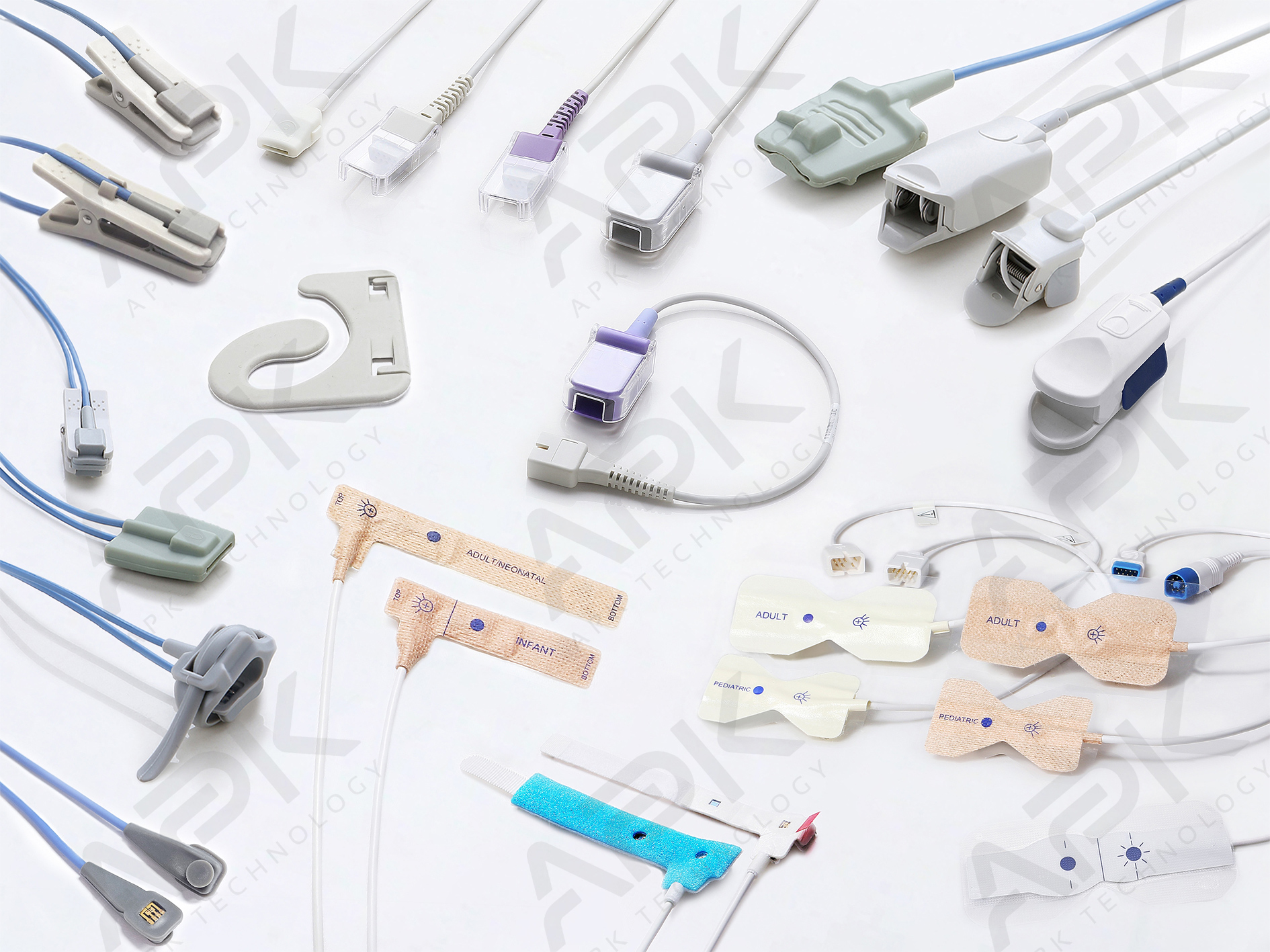
A concise selection guide to APK's SpO2 sensors, detailing product types and key advantages to inform your decision for accurate and reliable patient monitoring across all care settings.
What is an SpO2 Sensor? APK SpO2 Sensor Selection Guide