
Your ECG Report Says "Normal" — But Is That Conclusion Reliable?
2026-09-09
What an ECG Actually Shows
Think of your heart as a house with electrical wiring. An ECG is like an electrician's report — it shows whether the wiring is properly connected, whether the current is flowing correctly, and whether any circuits are overloaded.
But there's a catch: the report is only as good as the signal it receives.
Here's What Your ECG Report Actually Says
Most standard ECG reports include a section called "Auto Interpretation" or "Analysis Results" — that's the machine's automated conclusion. Here are the most common findings you'll see, based on the patterns clinicians look for:
The Critical Question: Can a "Normal" ECG Be Wrong?
Here's something most people don't consider.
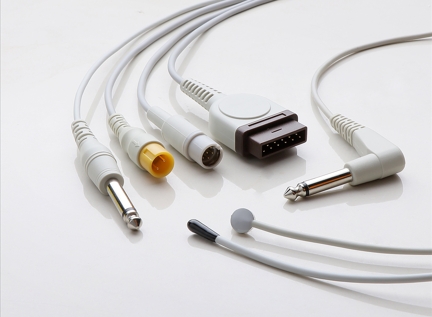
An ECG doesn't measure your heart directly. It measures the electrical signal picked up by the electrodes on your skin. That signal passes through lead wires, connectors, and cables before it ever reaches the monitor.
If any part of that signal chain is compromised — worn wires, poor connections, or electromagnetic interference — the waveform on the clinician's screen may be distorted. Not a heart problem, but drawn as one. Or a real problem, but drawn as normal.
Why This Matters in the Real World
Consider a common clinical scenario: a patient in the emergency department. The ECG monitor shows ST-segment depression — a potential sign of myocardial ischemia. The clinical team responds accordingly.
But what if the waveform was distorted by a worn lead wire? The team might be responding to a signal that wasn't real — unnecessary intervention, unnecessary stress on the patient and the system.
Or consider the opposite: the same worn wire could mask a real ST change. The monitor shows a "normal" waveform. The team doesn't respond. And the ischemia goes untreated.
In both cases, the clinical team is making decisions based on what the monitor shows them. The question is: are they seeing the true waveform — or a distorted version of it?
That's why signal quality isn't just a technical specification. It's a clinical imperative. In critical care, the difference between a reliable reading and a distorted one is measured in minutes — and the cost of getting it wrong is patient safety.
What Role Does Signal Quality Play?
An ECG is only as reliable as the signal it receives. That signal travels through electrodes, lead wires, and cables before it reaches the monitor — and each component affects what the clinician sees. A worn lead wire doesn't just affect comfort or durability — it can introduce noise that mimics arrhythmias, or cause baseline drift that looks like ST-segment changes. The waveform you read is only as accurate as the components that carry it.
If any link in this chain fails — worn wires, poor connections, or electromagnetic interference — the waveform can be corrupted. Not a heart problem, but drawn as one. Or a real problem, but drawn as normal.
That's why signal integrity matters at every step — from the electrode on the patient's skin to the waveform on the monitor. Each component in this chain plays a role in delivering a clean, reliable signal. What does that mean in practice?
- Fully shielded, low-noise cable construction — reduces electromagnetic interference, so what you see isn't noise mistaken for artifact
- Precision connector contacts — maintain stable impedance, so the baseline stays flat and ST-segment interpretation stays accurate
- Medical-grade materials — withstand repeated use and sterilization, so signal quality doesn't degrade over time
Because every waveform represents a person. A patient in an ICU bed. A parent in the operating room. A newborn in the NICU.
When we talk about signal quality, we're not talking about wires. We're talking about getting the diagnosis right. The first time.
Your ECG Report Says "Normal". Trust It — But Understand the Signal Behind It.
So next time you see "Normal ECG" at the bottom of your report — take it as good news.
But also remember: that conclusion is only as reliable as the signal that made it. And behind that signal is a chain of components — from electrodes to lead wires to cables — that all need to work together.
Getting the diagnosis right starts with getting the signal right.
At APK, we believe every ECG waveform tells a story — and we make sure it's heard clearly.
Explore life signal, benefit universal health.
---------------------------------------------------------
APK Technology, a national high-tech enterprise with over 20 years of professional technologies and experience in providing OEM/0DM services for world-leading monitoring and ECG brands, delivering high-quality solutions for the global healthcare industry.
---------------------------------------------------------
APK Technology, a national high-tech enterprise with over 20 years of professional technologies and experience in providing OEM/0DM services for world-leading monitoring and ECG brands, delivering high-quality solutions for the global healthcare industry.
Learn more about:
Understanding "Low Perfusion": Why SpO₂ Sensor Accuracy Matters
Related Article
In ICUs, operating rooms, and NICUs, SpO₂ is a critical vital sign. But in low perfusion conditions, not all sensors are trustworthy — and the difference impacts patient outcomes.
Understanding "Low Perfusion": Why SpO₂ Sensor Accuracy Matters
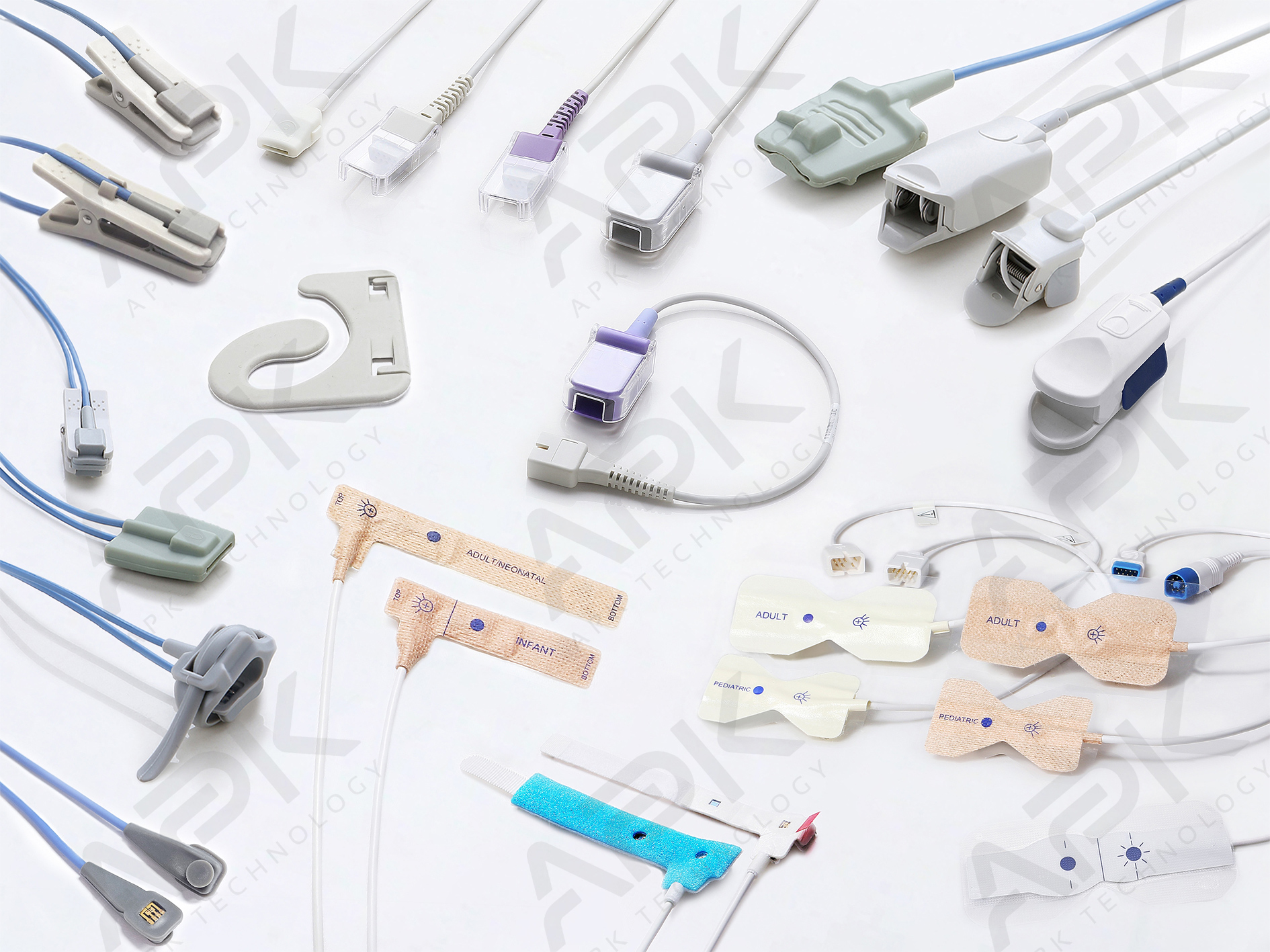
A concise selection guide to APK's SpO2 sensors, detailing product types and key advantages to inform your decision for accurate and reliable patient monitoring across all care settings.
What is an SpO2 Sensor? APK SpO2 Sensor Selection Guide